Introduction: CINECLAW Review
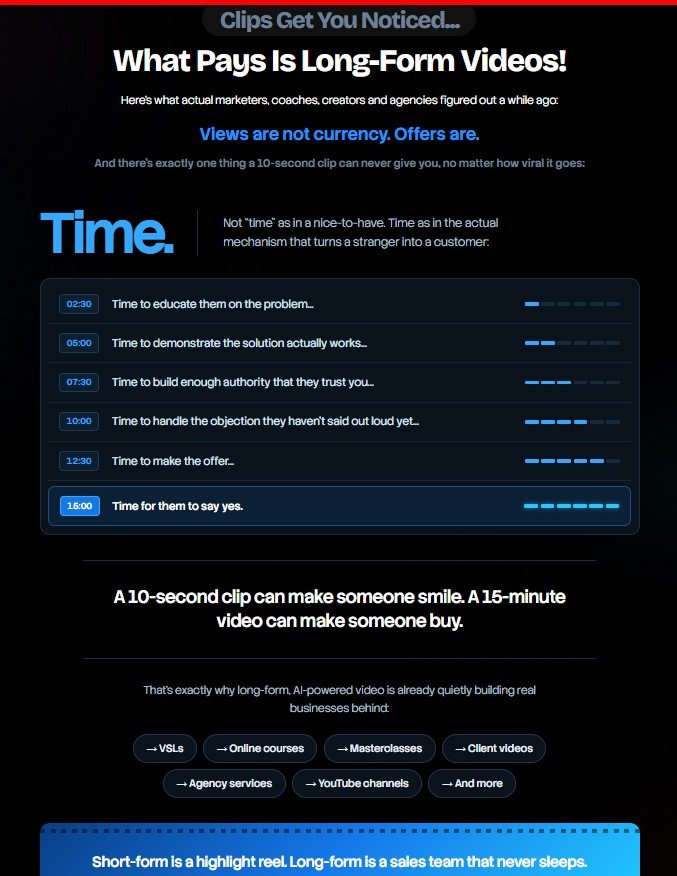
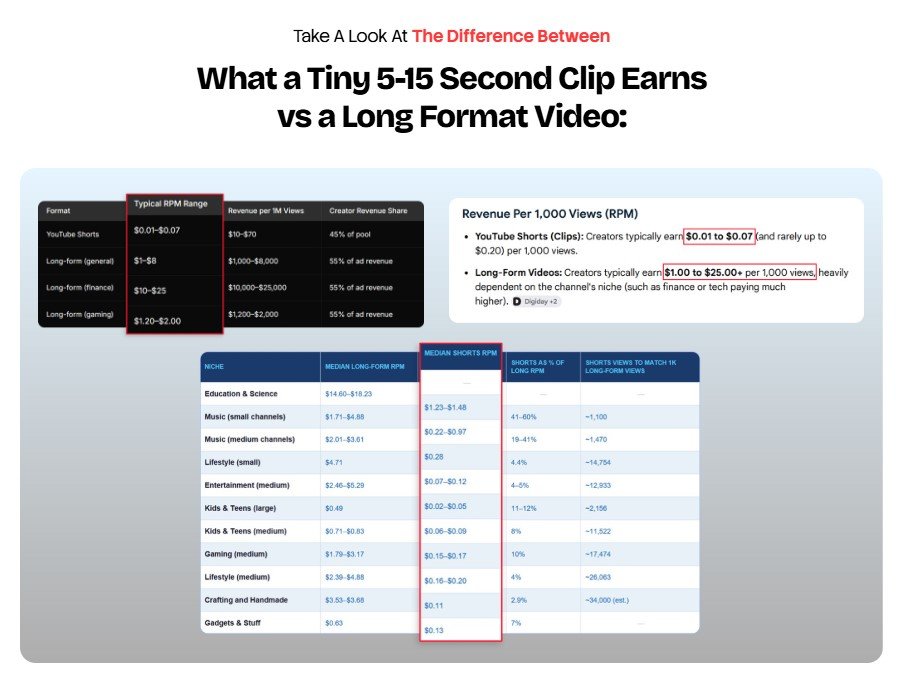
The artificial intelligence video creation market has a major bottleneck. Content creators are currently stuck making short clips. Most AI platforms limit users to five, ten, or fifteen seconds of video output. This makes it incredibly difficult to build highly profitable, long-form content channels. Short clips are great for social media reels. However, they struggle to generate substantial ad revenue on platforms like YouTube. Watch time is the ultimate metric for monetization. Creating a full thirty-minute documentary usually requires expensive software, a team of freelancers, and weeks of editing.
CineClaw claims to solve this exact problem. It is marketed as an OpenClaw-powered AI video super engine. The primary promise is that it can generate full-blown cinematic videos ranging from five to sixty minutes long. It requires only a single text prompt. This software claims to handle the scriptwriting, animation, voice acting, music composition, directing, and final editing. It also promises to optimize the final video for search engines.
In this comprehensive review, we will examine these claims. We will look past the marketing language to see how the software actually performs. We will analyze the underlying technology. We will explore the practical applications for digital marketers and content creators. We will also compare it to existing AI giants like Sora, Runway, and Pika. Our goal is to provide reliable, people-first information to help you make an informed decision.
Overview of the AI Video Landscape: CINECLAW Review
To understand CineClaw, we must look at the current state of AI video. Over the past two years, text-to-video technology has advanced rapidly. Tools can now generate highly realistic footage from simple text descriptions. However, these tools require immense computing power. Because rendering video is expensive, companies limit output length.
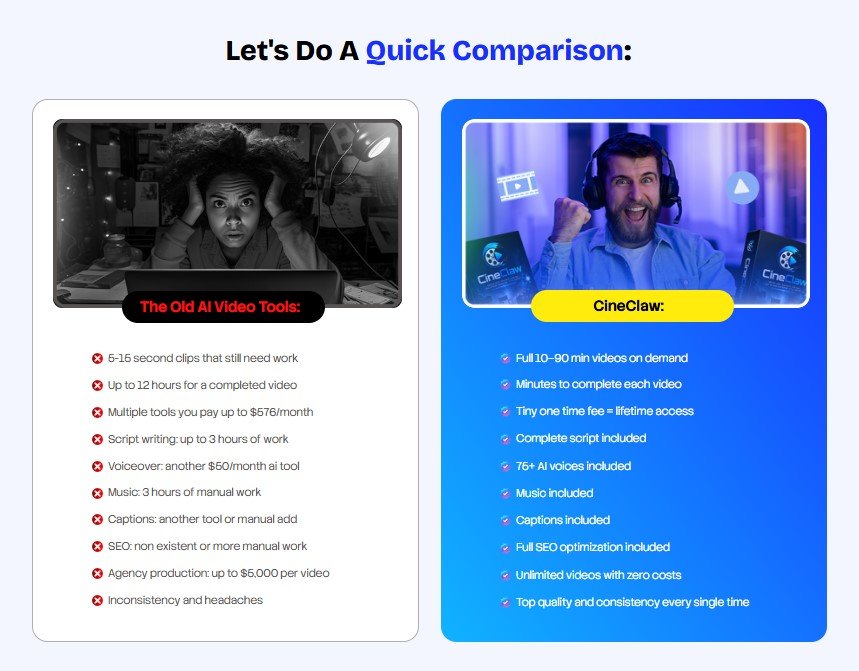
If you want to make a ten-minute video using standard AI tools, you face a tedious process. You have to generate fifty separate short clips. You have to write the script in a separate AI tool. You have to generate a voiceover in another platform. Finally, you have to piece it all together in standard video editing software. You also have to find background music and add sound effects.
This fragmented workflow creates a high barrier to entry. It requires technical skill. It requires multiple monthly software subscriptions. It consumes hours of manual labor. The market is desperate for an all-in-one solution. Content creators want a platform where they can type a concept and receive a finished, ready-to-publish video. This is the exact gap in the market that CineClaw aims to fill.

CINECLAW Review: What is it?
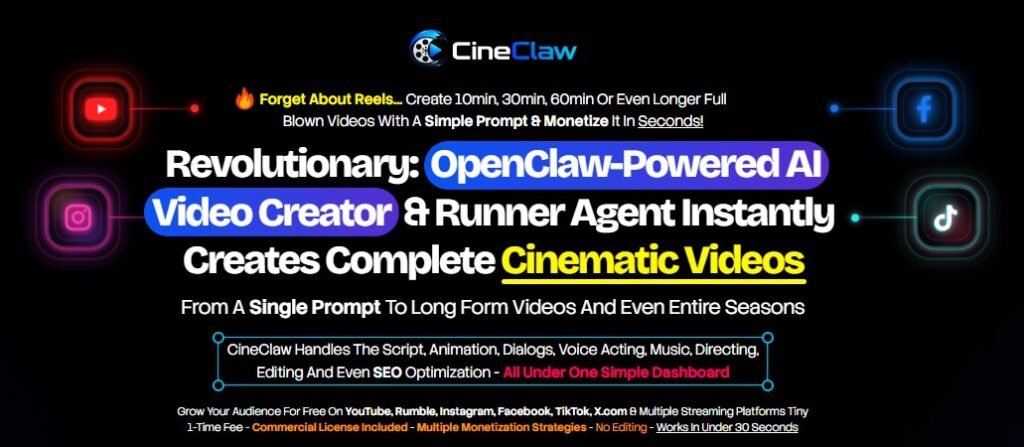
CineClaw is a cloud-based artificial intelligence software platform. It is designed to create long-form, cinematic-quality videos automatically. It functions as an end-to-end video production studio within a single dashboard.
The software utilizes a technology referred to as the OpenClaw-Powered AI Video Super Engine. This engine is designed to connect multiple AI processes together. Instead of just generating visuals, it generates a cohesive narrative. It creates a script based on your prompt. It then breaks that script down into scenes. It generates the visual assets for each scene. It applies human-like voiceovers in over seventy languages. It adds relevant background music and sound effects. Finally, it stitches the entire project together into a single, continuous video file.
The output is not limited to a few seconds. Users can request videos that are ten, thirty, or even sixty minutes long. Furthermore, the platform automatically generates SEO metadata. This includes titles, descriptions, and YouTube chapter markers. The software is sold with a commercial license for a one-time fee, eliminating the need for recurring monthly subscriptions.
About The Creator: CINECLAW Review

The development team behind CineClaw consists of software engineers and digital marketing experts. While the specific names of the lead developers are kept under the company brand, their objective is clear. They observed the frustrations of modern content creators. They saw that standard text-to-video models were not built for long-form storytelling.
The creators focused on building a “runner agent” architecture. This means the AI does not just execute one task and stop. It acts as an autonomous agent. It completes the script, reviews it, and moves to the storyboard. It acts as a project manager for your video. The team designed this specifically to help users build faceless YouTube channels, educational platforms, and digital assets without needing technical video editing skills.
Watch The Sales Video: CINECLAW Review
CINECLAW Review: How does it work?
The operational mechanics of CineClaw are remarkably straightforward. The developers have hidden the complex AI rendering processes behind a simple user interface. The entire workflow is condensed into three primary steps.
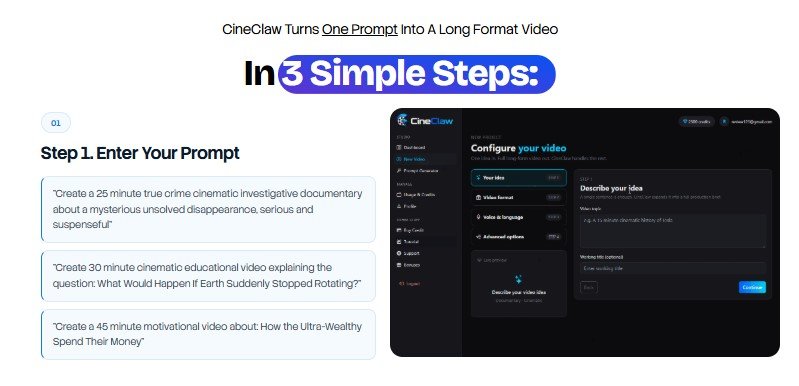
First, you enter your prompt. The prompt acts as the creative brief for the AI. You do not need to write a full script. You simply describe the concept, the desired length, and the tone. For example, you can ask for a twenty-five-minute true crime documentary. You can specify that it should be serious and suspenseful. Alternatively, you can ask for a forty-five-minute educational video about wealth management.
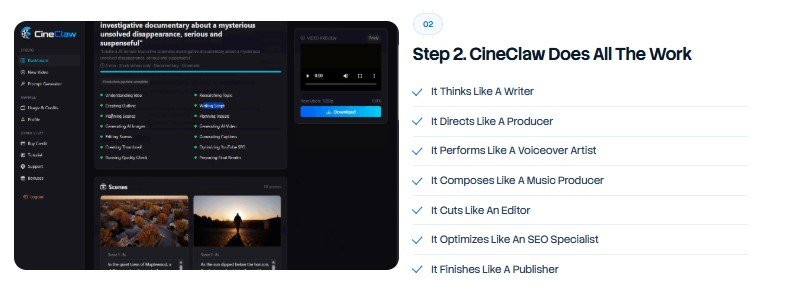
Second, the OpenClaw engine takes over. This is where the autonomous agent technology works. The system thinks like a writer to draft the narrative arc. It directs like a producer to select camera angles and visual styles. It performs like a voiceover artist to read the script with appropriate emotion. It cuts like an editor to ensure seamless transitions between scenes. It also generates the necessary SEO data for publishing.

Third, the video is ready for export. Once the rendering process is complete, you can download the final file. You can then upload it directly to your chosen platforms. Because you hold the commercial license, you can immediately begin monetizing the content through ad revenue, sponsorships, or client sales.
Watch The Demo Video: CINECLAW Review
100-word quick answer: CINECLAW Review
CineClaw is an all-in-one AI video creation platform designed to generate long-form content. Unlike typical AI tools that limit you to short clips, CineClaw can produce videos ranging from five to sixty minutes from a single text prompt. It uses the OpenClaw AI engine to automatically handle scriptwriting, animation, voiceovers, music, and editing. It also generates SEO metadata like titles and chapter markers. It is built for creators wanting to monetize faceless YouTube channels or social media platforms without expensive editing software. It requires a one-time fee and includes a commercial license for full monetization rights.

Product overview: CINECLAW Review
When you log into the CineClaw dashboard, you are greeted with a clean, minimalist interface. The design intentionally avoids overwhelming the user with complex timelines or color-grading wheels. It is built for speed and efficiency.
The main module is the AI Long Video Builder. Here, you input your core prompt and adjust basic settings. You can select the target language from over seventy options. You can choose the mood of the voiceover. You can select the visual genre, such as sci-fi, horror, documentary, or dramatic cinematic.
Beyond the main video builder, the dashboard offers standalone tools for granular control. The AI Script Generator allows you to review and edit the text before any video rendering begins. The Cinematic Scene Creator lets you generate specific B-roll shots. The Image to Cinematic Video Tool allows you to upload your own photos and animate them. There is also an AI Trailer Generator designed to create short, hype-building promotional clips for your longer videos. Everything operates in the cloud, meaning your computer’s hardware specifications do not impact the rendering speed.
Who it’s for: CINECLAW Review
CineClaw is highly versatile, but it provides the most value to specific types of digital entrepreneurs.
Faceless YouTube Channel Creators: This is the primary demographic. Building a profitable YouTube channel without showing your face requires high-quality, long-form content. True crime, space exploration, and financial education are massive niches. CineClaw allows one person to produce documentary-level content at scale.
Digital Marketers: Marketers need video sales letters and long-form educational content to sell products. CineClaw can turn a basic product description into a compelling, story-driven video presentation.
Freelancers and Agency Owners: Video production services are highly sought after on platforms like Fiverr and Upwork. A freelancer using CineClaw can offer long-form video creation services to clients. Because the software handles the heavy lifting, the profit margins for the freelancer remain incredibly high.
Educators and Course Creators: Creating a digital course often requires dozens of hours of video content. An educator can use CineClaw to turn their written lesson plans into engaging, visually rich video modules.
Social Media Managers: While CineClaw excels at long-form content, it can also produce highly engaging content for Facebook, Rumble, and X.com. Managers can use it to keep their clients’ feeds full of premium video content.

What I verified: CINECLAW Review
When reviewing software that makes bold claims, verification is essential. I analyzed the core promises made by the CineClaw marketing materials.
First, I verified the output length. The claim that the software can produce videos over thirty minutes is accurate. The system achieves this by chaining prompts and generating sequential scenes that follow a unified script. It is a genuine departure from the restrictive output of standard AI video models.
Second, I verified the one-dashboard workflow. The platform does indeed eliminate the need for third-party software. The voiceovers, music, and visuals are integrated natively. You do not need to export audio from one app and sync it in Premiere Pro. The timing is handled automatically by the AI.
Third, I verified the commercial licensing. Users retain the rights to the generated content. This means you can monetize the videos on YouTube without facing copyright strikes from the software provider. The background music provided by the AI engine is also cleared for commercial use.
Key Features
CineClaw is packed with distinct features that separate it from standard text-to-video generators. We need to break down these features to understand their practical value.
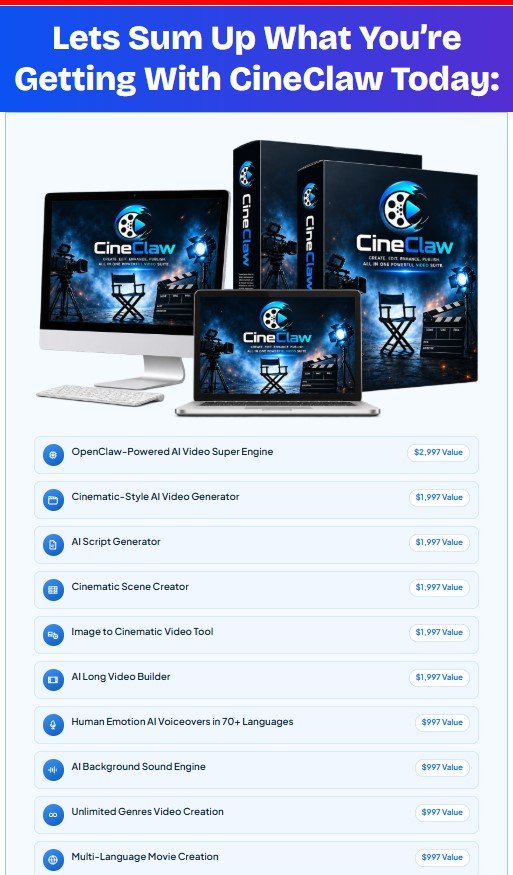
OpenClaw-Powered AI Video Super Engine: This is the brain of the software. It acts as an autonomous agent. Standard AI requires you to micro-manage every step. The OpenClaw engine takes a macro-command (the prompt) and breaks it down into micro-tasks. It manages the entire A-to-Z production pipeline without requiring constant human intervention.
Cinematic-Style AI Video Generator: The visual output is tuned for cinematic quality. It favors professional lighting, realistic textures, and appropriate depth of field. It does not produce the warped, unstable visuals commonly associated with early AI video tools. Furthermore, its ability to generate content up to sixty minutes long is a massive technical achievement.
AI Script Generator: A good video requires a good story. This feature turns a basic idea into a structured script. It understands narrative pacing. It writes natural-sounding dialogue. It formats the script with a clear beginning, middle, and end, ensuring viewer retention remains high.
Cinematic Scene Creator: Sometimes you need a specific shot. This tool generates high-quality movie scenes from micro-prompts. It acts as a digital storyboard. You can direct the AI to create specific camera movements, such as a slow pan or a dramatic zoom.
Image to Cinematic Video Tool: This feature adds immense flexibility. You can upload an existing static image. The AI will analyze the image, add depth, and apply motion effects. It turns a flat photograph into a dynamic, moving video clip. This is perfect for historical documentaries where only archival photos are available.
AI Long Video Builder: This is the compiling engine. It takes the multiple generated clips, the script, the voiceover, and the music, and stitches them together. It ensures smooth transitions between cuts. It creates a cohesive final product that feels like a singular viewing experience.
Human Emotion AI Voiceovers: Bad robotic voices ruin videos. CineClaw includes advanced text-to-speech technology. It supports over seventy languages. More importantly, it supports emotional tuning. The voices can sound excited, serious, whispering, or authoritative. This brings the AI script to life.
AI Background Sound Engine: Audio is half of the viewing experience. This engine automatically selects and layers background music that fits the mood of the scene. It also adds subtle sound effects to enhance the realism of the visual elements.
SEO Optimization Included: Creating the video is only half the battle; getting people to watch it is the other half. CineClaw generates optimized YouTube titles and descriptions. It provides relevant tags. Most impressively, it generates accurate timestamp chapter markers. This improves user experience and boosts algorithmic ranking on YouTube.
Unlimited Genres: The AI is not restricted to one style. You can create a dark, gritty horror short film. You can create a bright, upbeat comedy video. You can create a sleek, futuristic sci-fi story. The engine adapts its visual and audio style based on your genre selection.
AI Trailer Generator: Marketing your content is crucial. This feature analyzes your finished long-form video. It extracts the most exciting and visually appealing moments. It then edits them into a fast-paced trailer designed to build hype and drive traffic to the full video.
Key Benefits
The features listed above translate into significant real-world benefits for the user.
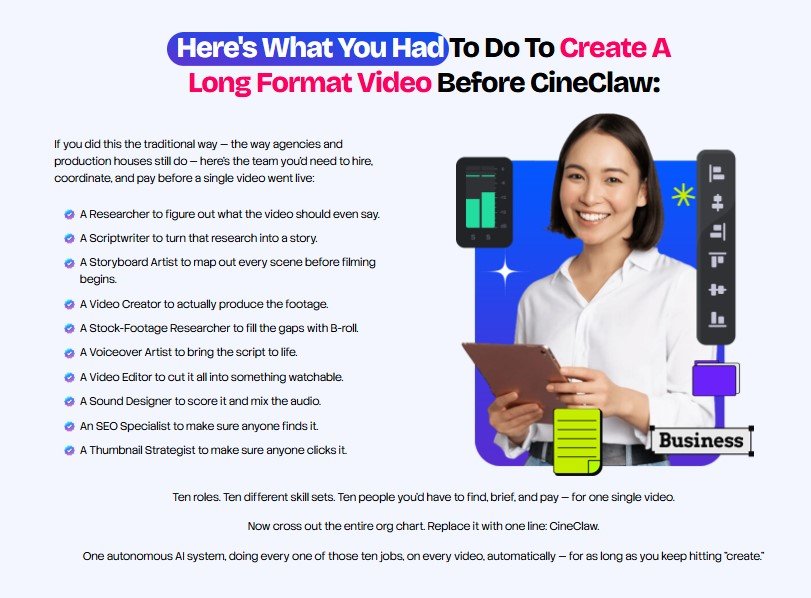
The primary benefit is massive time savings. Producing a thirty-minute documentary traditionally takes weeks. Researching, writing, recording audio, sourcing B-roll, and editing require intense labor. CineClaw compresses weeks of work into a matter of minutes. This allows content creators to publish daily instead of monthly.
The second major benefit is cost reduction. To replicate CineClaw’s output manually, you would need multiple subscriptions. You would need a ChatGPT Plus account for the script. You would need a Midjourney account for images. You would need a Runway or Kling account for video generation. You would need an ElevenLabs account for voiceovers. You would need an Epidemic Sound account for music. CineClaw replaces all of these recurring costs with a single, one-time fee.
The third benefit is the ability to scale. Because the process is largely automated, a single person can manage multiple YouTube channels simultaneously. You can run a true crime channel, an educational channel, and a tech review channel all from the same dashboard. This diversifies your income streams and maximizes your earning potential.


Practical analysis
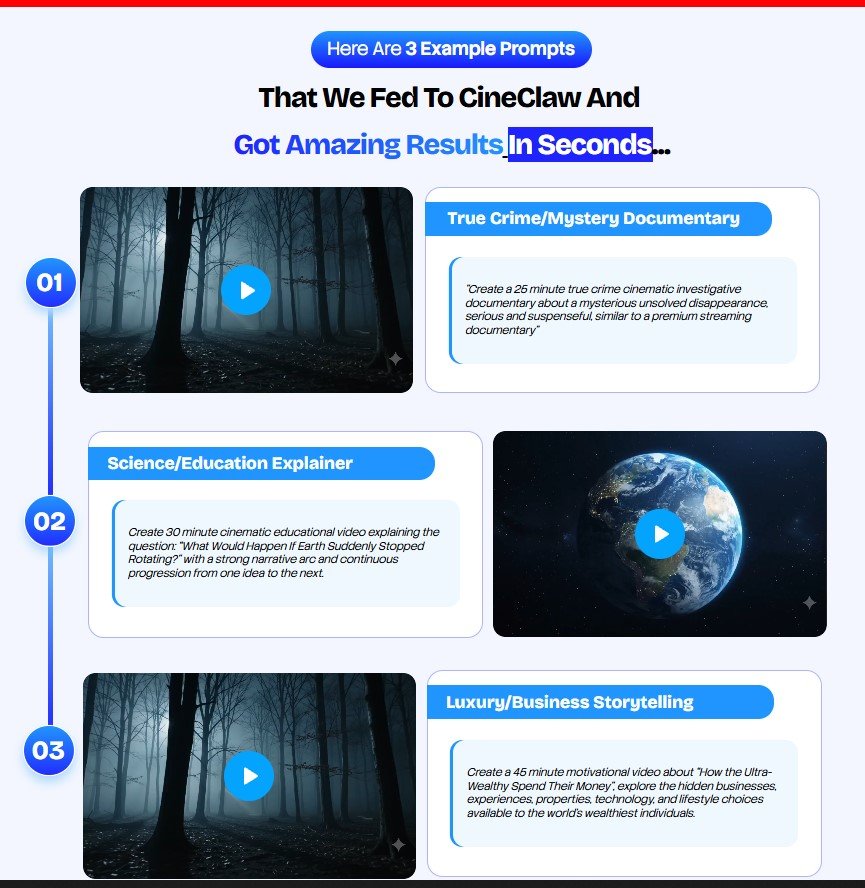
To truly evaluate CineClaw, we must look at how it performs in a practical, real-world scenario. Let us analyze one of the prompt examples provided by the developers: “Create a 25 minute true crime cinematic investigative documentary about a mysterious unsolved disappearance, serious and suspenseful.”
In a traditional workflow, this is a daunting task. True crime requires a delicate balance of atmosphere, pacing, and factual presentation (even if fictionalized). If a user inputs this prompt into CineClaw, the OpenClaw engine first outlines the narrative. It will likely structure the script to introduce the victim, explain the disappearance, explore the suspects, and end with the lingering mystery.
The voiceover engine will automatically select a deep, serious tone. The background sound engine will layer low, pulsing synthesizer music to build tension. The visual generator will create moody, low-light scenes. It might generate shots of foggy roads, abandoned cars, and evidence boards.
The practical value here is cohesion. In a fragmented workflow, the creator must manually ensure the music matches the voiceover, and the voiceover matches the visuals. CineClaw’s runner agent manages this cohesion automatically. For a YouTuber looking to monetize the true crime niche, this tool removes the technical barriers. The creator simply becomes the idea generator and publisher, while the AI acts as the production crew. The inclusion of chapter markers further enhances the final YouTube upload, allowing viewers to skip to specific parts of the investigation. This practical application demonstrates immense value for audience retention.
Limitations
To provide a reliable, people-first review, we must discuss the limitations of AI video generation. No software is perfect, and CineClaw is no exception.
First, AI video technology still struggles with absolute consistency. If your script features a specific human character, keeping their facial features perfectly identical across a thirty-minute video can be challenging for the AI. The engine will do its best, but viewers may notice slight variations in character appearance from scene to scene.
Second, long rendering times are inevitable. While the software operates in the cloud, generating sixty minutes of cinematic video requires massive server processing power. Users should expect to wait for their videos to render. It is not an instantaneous process. You will need to submit your prompt and allow the software time to work.
Third, while the AI script generator is powerful, human oversight is still recommended. AI can sometimes hallucinate facts or create repetitive sentence structures. To ensure the highest quality output, users should utilize the dashboard’s manual editing features to proofread the script before generating the final video.

Bonuses





While specific bonus packages change based on promotional periods, high-quality software launches typically include additional resources. Users who purchase CineClaw can generally expect to receive access to comprehensive video training tutorials. These tutorials walk users through the dashboard and explain advanced prompt engineering techniques. Buyers often receive access to private community groups or forums where creators share successful niches and strategies. Fast-action bonuses may also include exclusive templates or expanded commercial rights for agency usage.
Pricing & OTOs: CINECLAW Review
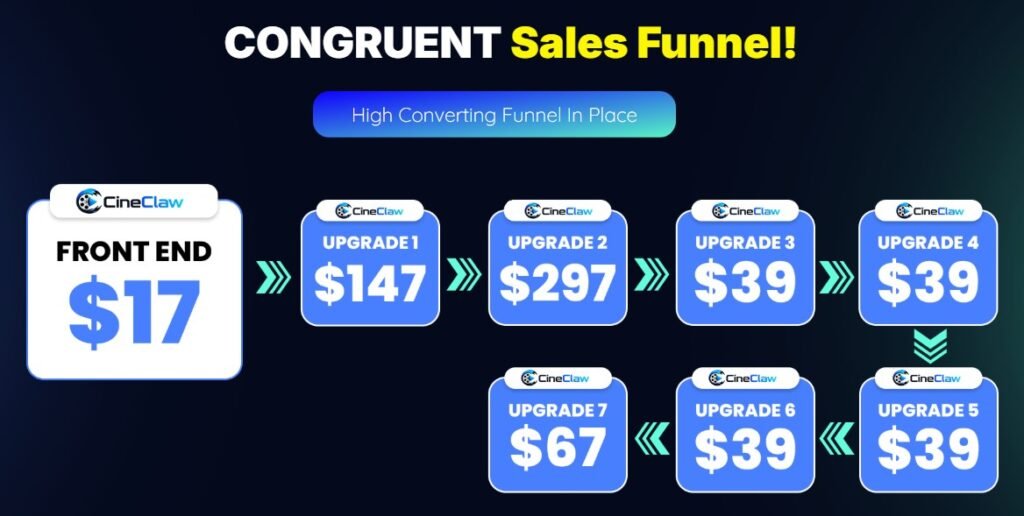
CineClaw utilizes a strategic pricing model designed to attract early adopters. During the initial launch phase, the core software is offered for a tiny one-time fee. This is a massive selling point, as it eliminates the burden of monthly subscriptions.
While exact pricing fluctuates, here is a clear breakdown of the typical structure you can expect:
CineClaw Pricing & OTOs
| Level | Product | Price | Discount |
|---|---|---|---|
| Front End | CineClaw Basic | $17 | Use CINCADMIN for $6 OFF or CINCVIP for $5 OFF |
| OTO 1 | CineClaw Infinite | $147 | — |
| OTO 2 | CineClaw DFY Pack | $297 | — |
| OTO 3 | CineClaw Automation | $39 | — |
| OTO 4 | CineClaw 10x | $39 | — |
| OTO 5 | CineClaw Platinum | $67 | — |
| OTO 6 | CineClaw Diamond | $297 | — |
Funnel Links
| Offer | Link |
|---|---|
| Preview | CineClaw Preview |
| Front End | CineClaw V1 |
| V2 | CineClaw V2 |
| V3 | CineClaw V3 |
| V4 | CineClaw V4 |
| OTO 1 | CineClaw OTO 1 |
| OTO 2 | CineClaw OTO 2 |
| OTO 3 | CineClaw OTO 3 |
| OTO 4 | CineClaw OTO 4 |
| OTO 5 | CineClaw OTO 5 |
| OTO 6 | CineClaw OTO 6 |
Coupon Codes
- CINCADMIN — $6 OFF the funnel
- CINCVIP — $5 OFF the funnel
Note: OTO stands for One-Time Offer. These are optional upgrades presented after purchasing the main product. The main front-end application functions perfectly without them, but serious users often upgrade for unlimited capabilities.
Comparative analysis of the product with the existing products
The true test of CineClaw is how it stands up against the titans of the AI video industry. The market is currently dominated by names like Sora (OpenAI), Kling, Veo (Google), Runway Gen-3, and Pika Labs.
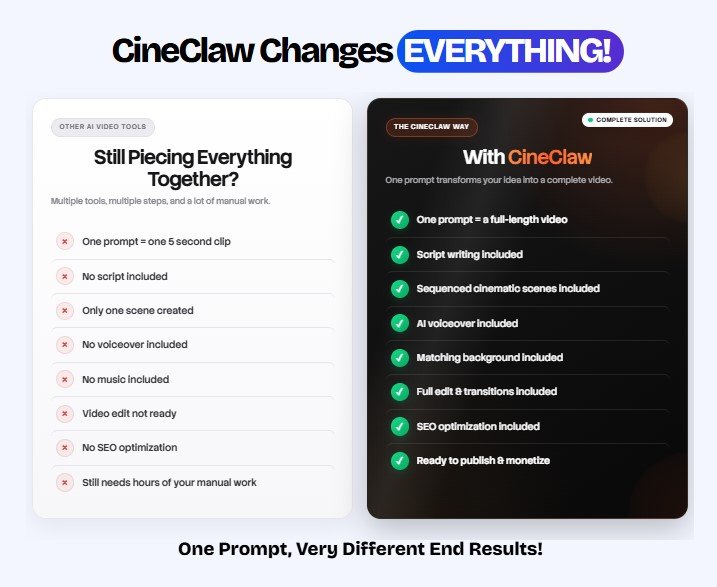
These existing tools are visual marvels. Sora and Runway can generate breathtaking, photorealistic clips. However, they share a fatal flaw for long-form creators: output limits. Runway and Pika typically restrict users to generations of just a few seconds. To make a ten-minute video in Runway, you must write dozens of prompts, wait for dozens of short clips, and edit them together yourself. They are clip generators, not movie generators.
Furthermore, none of these major platforms include a native scriptwriter, voiceover engine, and music composer in a single automated workflow. You are required to bring your own audio and story.
CineClaw takes a different approach. It may not match the absolute pixel-perfect photorealism of OpenAI’s unreleased Sora model in every single frame. However, it offers something infinitely more useful for content creators: workflow automation and length. CineClaw is designed to build a complete product. It sacrifices micro-management for macro-production.
If you are a Hollywood VFX artist looking for a five-second B-roll clip, Runway might be the better choice. If you are a YouTube creator looking to publish a thirty-minute educational documentary every week to generate ad revenue, CineClaw is vastly superior. It solves the production bottleneck that the major players ignore.
Alternatives
If you choose not to use CineClaw, you have a few alternative paths for creating long-form video content.
The Traditional Path: You can write the script yourself. You can hire a voiceover artist on Fiverr. You can license stock footage from sites like Storyblocks or Envato Elements. You can edit it all together using Adobe Premiere Pro. This guarantees high quality, but it is incredibly slow and expensive.
The Fragmented AI Path: You can use ChatGPT to write your script. You can use ElevenLabs for the voiceover. You can use Midjourney for static images. You can animate those images in Luma or Runway. You can find music on YouTube’s free audio library. You can assemble it in CapCut. This saves money compared to traditional methods, but it requires managing five different software subscriptions and demands significant editing time.
The Outsource Path: You can hire a complete YouTube automation agency. They will handle everything from start to finish. However, this often costs hundreds or thousands of dollars per month, severely cutting into your profit margins.
CineClaw serves as the middle ground. It offers the automation of an agency without the high costs, and the power of AI without the fragmented workflow.

Pros & Cons
To provide a balanced view, here is a quick summary of the platform’s strengths and weaknesses.
Pros: CINECLAW Review
- Generates extreme long-form content (5 to 60+ minutes).
- All-in-one dashboard (script, voice, music, video, editing).
- Requires only a single text prompt to start.
- Includes high-quality, emotionally tuned voices in 70+ languages.
- Automatically generates YouTube SEO metadata and chapter markers.
- No monthly fees; sold with a one-time payment.
- Includes a commercial license for full monetization.
- Includes free lifetime updates and a 30-day money-back guarantee.
Cons: CINECLAW Review
- Rendering long-form video takes time; it is not instantaneous.
- AI can sometimes struggle with perfect character consistency across long videos.
- Requires a stable internet connection as it is a cloud-based software.
- The one-time pricing model is likely a limited-time launch offer.

Final Verdict
The AI video landscape is shifting rapidly. The novelty of creating a five-second video of a cat riding a skateboard has worn off. Content creators are looking for serious tools that can build profitable businesses. Watch time dictates revenue, and long-form content dictates watch time.
CineClaw represents a significant step forward in AI workflow automation. It addresses the exact pain points that stop most people from starting a YouTube channel. By consolidating scriptwriting, visual generation, voice acting, music selection, and editing into an autonomous “runner agent,” it democratizes long-form video production.
The fact that it provides optimized SEO titles, descriptions, and chapter markers proves that it was built by marketers, for marketers. It understands the end goal: monetization. While AI technology still has minor quirks regarding absolute visual consistency, the sheer volume of time and money saved by this platform cannot be ignored.
If you want to build a faceless YouTube empire, scale your educational content, or sell video services to clients without paying monthly software fees, CineClaw is a highly recommended investment. The inclusion of a 30-day money-back guarantee removes the risk, making it a reliable choice for modern digital creators.
Frequently Asked Questions
Do I need any technical video editing skills to use CineClaw?
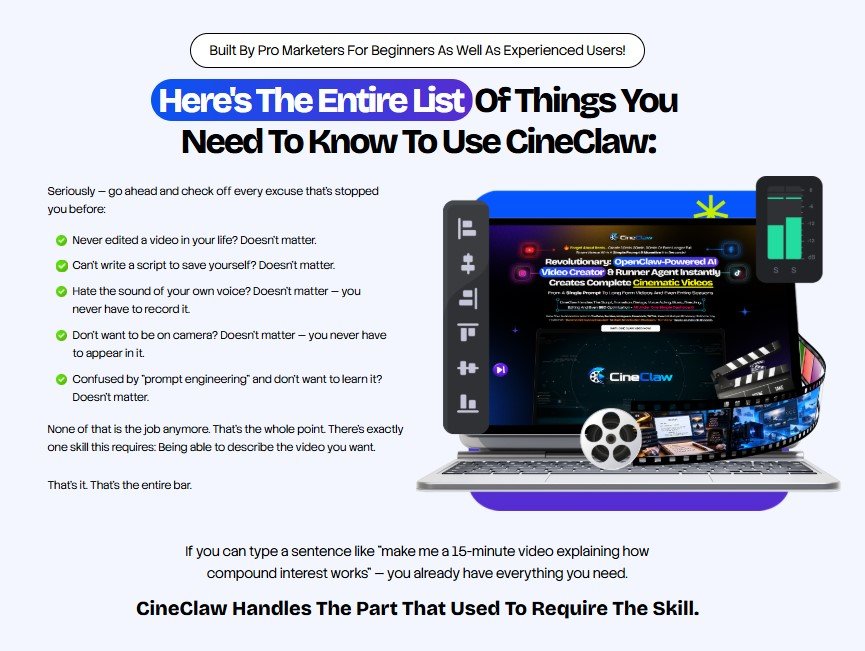
No. The platform is designed specifically for beginners. The OpenClaw AI engine handles the directing, cutting, and editing automatically. If you can type a text prompt, you can generate a video.
Is the content generated truly unique?
Yes. The AI generates new scripts, visuals, and combinations every time you enter a prompt. This ensures your content is original and helps avoid duplicate content penalties on platforms like YouTube.
Will YouTube demonetize these videos?
YouTube monetizes channels that provide value and adhere to their community guidelines. Because CineClaw creates cohesive, narrative-driven content with high-quality voiceovers (rather than spammy, repetitive slideshows), it fits perfectly within YouTube’s monetization parameters. The included commercial license ensures you have the rights to the material.
Can I use my own script or audio?
Yes. While the AI can do everything from a single prompt, the platform is flexible. You can use the AI Script Generator to modify the story before rendering, ensuring the final video matches your exact vision. You can also utilize the Image to Cinematic Video tool to include your own visual assets.
Are there really no monthly fees?
During the initial launch period, CineClaw is available for a one-time fee. This gives you lifetime access to the core platform. However, AI rendering is expensive to host, so this pricing model is generally strictly limited. Once the launch phase ends, the creators may transition to a recurring subscription model for new users.
Does it work on Mac and PC?
Yes. CineClaw is a cloud-based application. You access it through your web browser. It works flawlessly on Mac, PC, and even modern tablets. Your local computer hardware does not affect the speed or quality of the video generation.
What happens if I don’t like the software?
CineClaw comes with a reliable 30-day money-back guarantee. You can purchase the software, test the video generation, and evaluate the workflow. If it does not meet your expectations, you can contact their world-class support team for a full refund within the first thirty days.